
Key Takeaways
- Loneliness can quietly affect a senior’s emotional and physical health.
- Social activities in assisted living support mood, energy, and a sense of belonging.
- Strong communities offer daily programming, spiritual support, and family involvement.
- A good social program is a sign of a warm, resident-centered community.
- Touring a community can help families see the social culture firsthand.
Why Social Connection Is at the Heart of Assisted Living
When a loved one moves into assisted living, the conversation often centers on safety, care needs, and daily routines. But something just as meaningful can get overlooked: connection. The people around your loved one, the laughter at a shared meal, the familiar face of a staff member who knows their name — these moments matter deeply.
Social activities in assisted living play a meaningful role in shaping how residents feel day to day, supporting their emotional well-being, their sense of purpose, and even their physical health. A community that invests in its social culture is one that truly cares about the whole person, not just the care plan.
Why Social Connection Matters for Seniors in Assisted Living
Loneliness can creep in quietly, especially during life transitions. When routines shift and familiar surroundings change, a sense of isolation can follow. For seniors in assisted living, having regular opportunities to connect with others isn’t a luxury. It’s a meaningful part of daily life. Social isolation can raise risks for things like low mood and cognitive decline, which makes community connection even more meaningful.
Regular social connection helps residents feel seen and valued. It gives them something to look forward to each day and builds a genuine sense of belonging within their community. When your loved one feels like they’re part of something, that sense of home becomes real, not just a place to sleep.
Types of Social Activities Found in Assisted Living Communities
Group Activities and Shared Experiences
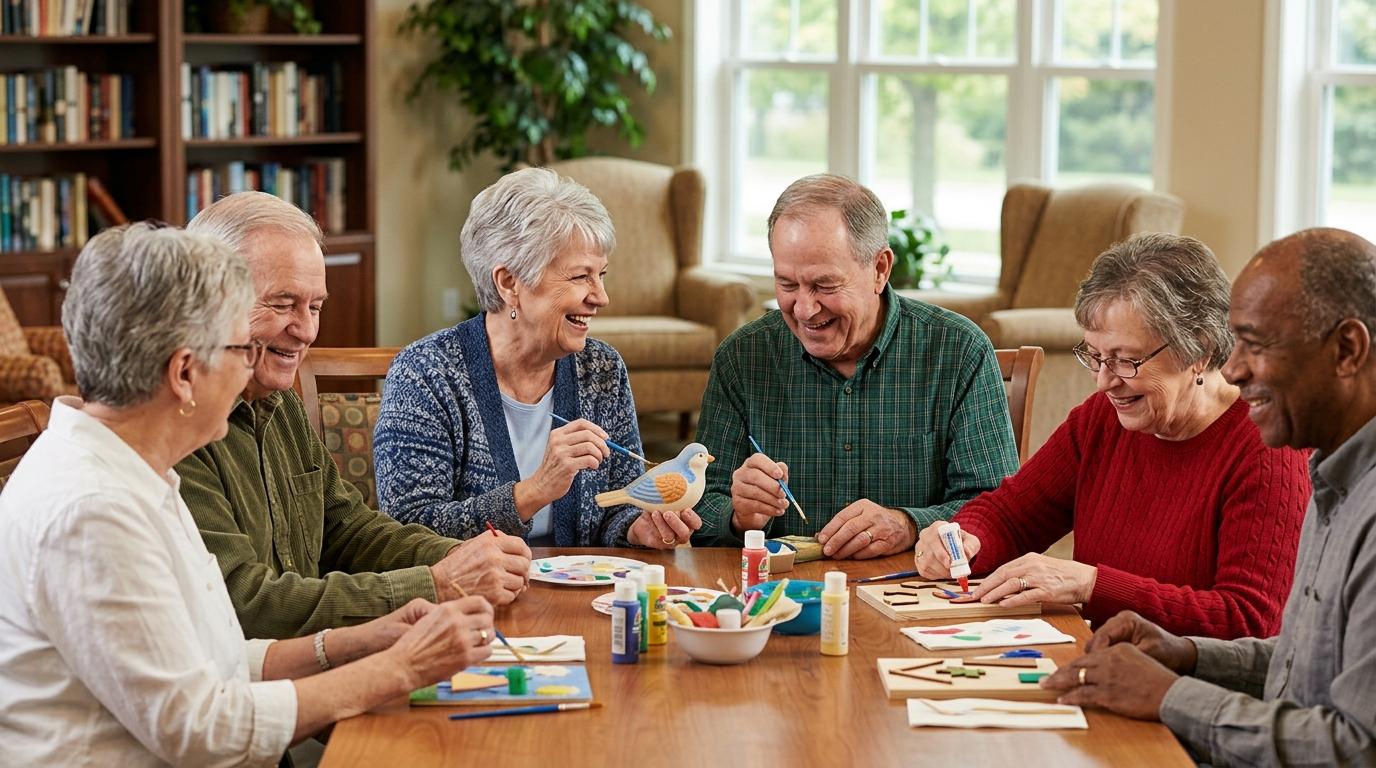
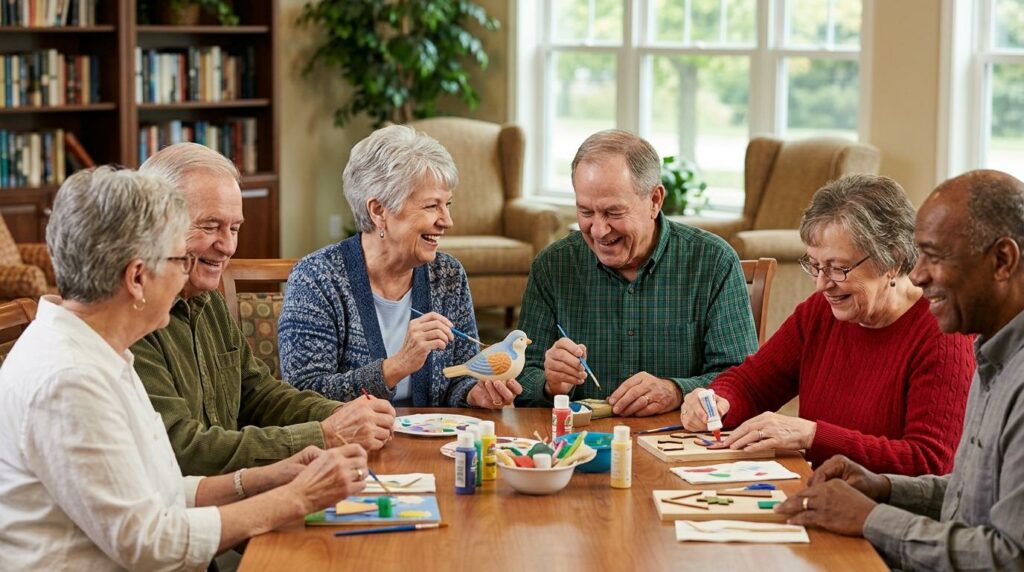
From group games and crafts to seasonal celebrations, there’s no shortage of ways residents can come together and enjoy each other’s company. These shared experiences create the kind of everyday memories that make a place feel like home. A friendly card game or a holiday gathering might seem small, but these moments build real relationships over time. You can explore the kinds of engaging activities for seniors that make each day feel full and purposeful.
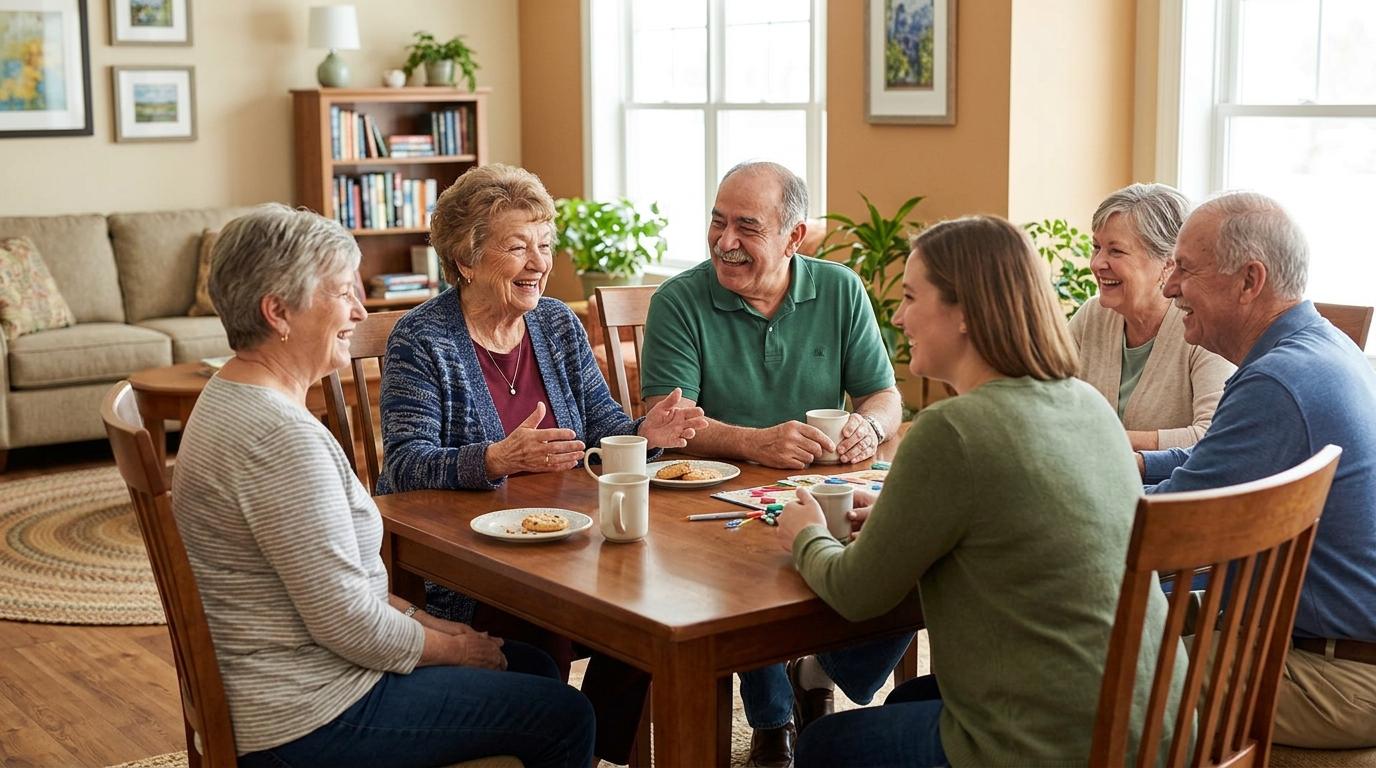
Shared meals are another natural opportunity for connection. Sitting down together at the table each day gives residents a comfortable, low-pressure space to chat, laugh, and simply enjoy good company. It’s one of the simplest ways a community can bring people together consistently.
Spiritual and Emotional Programs
Social well-being goes beyond activities. For many residents, spiritual and emotional support is just as meaningful. Chaplain visits and one-on-one counseling give residents a quiet, caring space to process their feelings, find comfort, and feel truly heard.
Spiritual groups open their doors to residents of all backgrounds and beliefs. Whether someone has a lifelong faith practice or simply needs a moment of reflection, these programs honor each person’s unique inner life. That kind of thoughtful inclusion makes a community feel safe and welcoming for everyone. Taking a look at the services and programs available can give families a clearer picture of how this support is built into daily life.
How Social Activities Support Physical and Mental Health
Staying socially active doesn’t just feel good. It can support how residents feel physically, too. Movement-based programs like gentle exercise classes or group walks help maintain energy levels and keep residents engaged in their bodies. When the body stays active alongside the mind, daily life tends to feel more vibrant. Staying engaged in activities you enjoy as you age has real benefits for both mental and physical well-being.
Regular engagement also helps reduce the risk of withdrawal and low mood. When residents have something meaningful to look forward to each day, it’s easier to stay motivated and emotionally balanced. Routine and structure give shape to the day, which supports a healthy, steady rhythm that many residents find grounding.
What Families Can Expect from a Strong Social Program
Signs of a Warm, Active Community
When touring an assisted living community, pay attention to the energy in the room. Are residents gathered together, smiling, and engaged? Is staff interacting with residents warmly and by name? These small details reveal a lot about the culture of a community. Reviewing a monthly activity calendar before your visit can also give you a helpful sense of how the community fills each day.
Daily programming tailored to residents’ actual interests is another strong sign. A thoughtful social calendar shows that the team genuinely listens to the people who live there, and that resident joy is part of the plan, not an afterthought.
How Families Stay Involved
Families don’t have to step back when a loved one moves into senior living. Strong communities keep communication open and consistent between families and care teams. Knowing what’s going on day to day can ease worry and help families feel like true partners in their loved one’s care. Reading about how to support a loved one’s transition into assisted living can make that first chapter feel a lot smoother.
Many communities also welcome family members to join in on events and activities. Showing up for a holiday celebration or a weekly program can strengthen your bond with your loved one and deepen your connection to the community as a whole.
The Role of Social Activities in Senior Living at Reena
Reena Senior Living is a community where we weave social connection into everyday life. Personalized care plans include social goals alongside physical and emotional needs, so each resident’s life feels full and intentional. Nestled near the scenic Rock River, the community’s warm, hometown atmosphere makes it easy for residents to feel at home from the very first day.
If you’d like to see our social culture firsthand, a tour is a wonderful place to start. Contact us to come see how residents spend their days, meet the care team, and get a real feel for what life looks like here.