

Key Takeaways
- A nursing assessment reviews your loved one’s physical health, cognitive well-being, and daily needs.
- It’s performed by a nurse before or shortly after move-in to shape a personalized care plan.
- Gathering medical records and writing down routines ahead of time can help the process go smoothly.
- Care plans are updated over time as your loved one’s needs change.
- After the assessment, families meet with the care team to discuss next steps and move-in timing.
A First Step That Sets the Tone for Everything
When you’re helping a loved one transition into assisted living, the process can feel like a lot to take in all at once. There are documents to gather, emotions to navigate, and questions that seem to multiply the more you think about them. One of the first steps you’ll hear about is the nursing assessment, and knowing what to expect can make the whole experience feel much more manageable.
A nursing assessment for assisted living is a structured review completed by a nurse to understand your loved one’s health, daily habits, and personal needs so that the right level of support can be put in place from day one. It’s not an intimidating exam. It’s simply a conversation and observation designed to make sure your loved one is set up to thrive. At Reena Senior Living, that process starts with warmth and a genuine desire to get to know the whole person.
What a Nursing Assessment for Assisted Living Actually Is
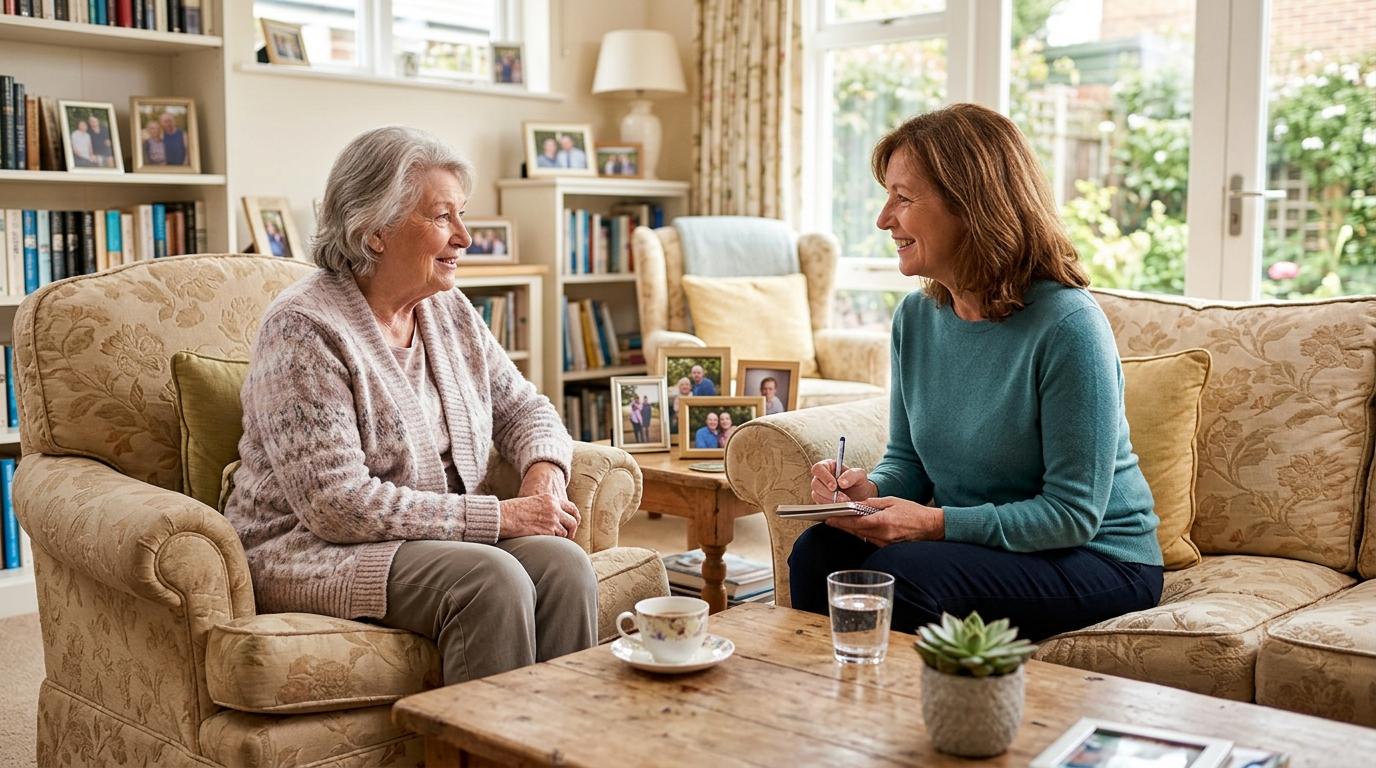
Think of the nursing assessment as the foundation of your loved one’s care experience. A nurse sits down with your loved one and your family to get a clear picture of who they are, what they need, and how they like to live. This typically happens before or shortly after move-in, so the team is ready to offer the right support from the very start.
The information gathered during this review directly shapes your loved one’s personalized care plan. Rather than a one-size-fits-all approach, the plan reflects their specific routines, preferences, and health needs. It’s how a senior living community gets to know the whole person, not just a list of conditions.
What the Nurse Will Look at During the Assessment
Physical Health and Daily Needs
The nurse will take a close look at how your loved one moves through their day. This includes things like mobility, how they manage personal care tasks, and any medications they’re currently taking. Recent changes in health, like a fall or a new diagnosis, will also be part of the conversation.
This part of the assessment helps the care team understand how much hands-on support your loved one may need. Some residents want a little help here and there, while others benefit from more frequent check-ins throughout the day. The goal is to match the level of support to the actual person. You can get a closer look at what type of care seniors receive to better understand what that support can look like day to day.
Cognitive and Emotional Well-Being
Beyond physical health, the nurse will also pay attention to memory, mood, and how your loved one tends to engage socially. These observations help the team understand whether standard assisted living support is the right fit and whether memory care services might be worth exploring.
This part of the process is handled with care and compassion. Your loved one’s emotional comfort matters just as much as their physical needs, and the team takes time to listen, not just evaluate. If you’re noticing signs that memory care may be a better direction, the early warning signs of Alzheimer’s and dementia can be a helpful reference as you prepare for that conversation.
How to Prepare Your Loved One for the Assessment
A little preparation ahead of time goes a long way. Try to gather the following before the appointment:
- A current list of medications and dosages
- Relevant medical records or recent doctor notes
- A written summary of daily routines and personal preferences
- Notes on any habits, hobbies, or things that bring your loved one comfort
Just as important as the paperwork is the emotional tone you set. Keep the conversation calm and reassuring with your loved one. Framing the assessment as a chance for people to get to know them, rather than a formal evaluation, can help ease any nerves they might have. For more guidance on making this transition as smooth as possible, these tips for easing the move into assisted living are a great place to start.
How the Assessment Shapes the Care Plan
Personalized Support From Day One
Once the assessment is complete, the care team uses the results to build a plan that reflects your loved one’s real life. Staff will know the right level of assistance to offer, whether that’s help with meals, medications, or morning routines. And as your loved one’s needs shift over time, the care plan shifts with them.
Connection to Broader Senior Living Services
The assessment also opens the door to a wider range of senior living services. Depending on what’s uncovered, the care team may connect your loved one to wellness programs or other specific care programs. These work alongside the care plan to support the whole person, not just day-to-day physical needs.
What Comes Next After the Assessment
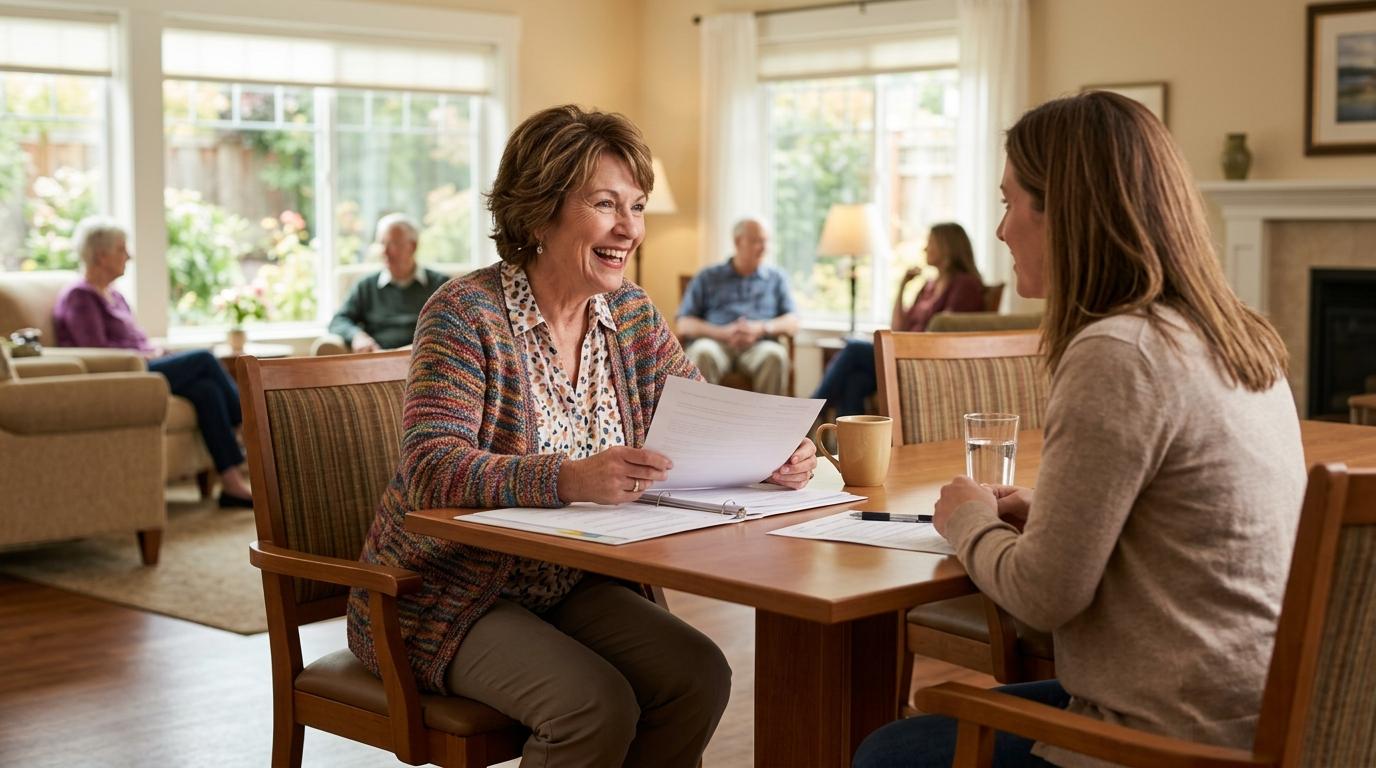
After the nursing assessment wraps up, you’ll typically have a review meeting with the care team. This is a chance to go over findings, ask questions, and talk through the move-in timeline together. Your loved one’s voice is part of this process too. Their comfort, preferences, and sense of belonging matter every step of the way.
At Reena Senior Living, the assessment is just the beginning of a relationship built on trust, warmth, and genuine care. If you’re ready to learn more or take the next step, reaching out to schedule a tour is a wonderful place to start. Contact us today to schedule your visit.